
From real-time dashboards to cost-saving automation - structured internship programmes deliver commercial results. Here's how to make them work.
Internships have evolved significantly from the traditional "work experience" model. Today's internship placements, when properly structured, deliver measurable business outcomes - from completed research projects to cost savings and process improvements.
The key difference between internships that deliver value and those that don't comes down to design. Organisations that treat internships as a resource for meaningful project work consistently see returns. Those that approach them as observational experiences rarely do.
The question for employers isn't whether interns can add value - it's whether you can create the right conditions.

When properly deployed, interns contribute to business outcomes in several distinct ways:
Interns can complete tangible projects that have been on the backlog for months. This might include market research reports, process documentation, database builds, or competitor analysis. These aren't theoretical exercises -they're deliverables that teams need but haven't had capacity to complete. The value lies in moving work from the planning stage to finished output, creating resources that the organisation can immediately use.
Not every project needs to be finished during an internship, but interns can advance work significantly. By organising information, conducting initial research, or documenting current processes, they create foundations that experienced staff can build on. This transforms stalled initiatives into viable projects. Instead of starting from scratch when capacity becomes available, teams inherit structured groundwork that accelerates delivery.
Interns can conduct customer research, competitive intelligence gathering, or data analysis that shapes strategic decisions. This work often sits in the "important but not urgent" category - valuable enough to influence direction, but consistently deprioritised because operational demands take precedence. Dedicating an intern to this research creates intelligence that might not otherwise exist, improving the quality of decisions across the organisation.
By taking on defined projects, interns allow experienced staff to focus on work that requires their specific expertise. This isn't about replacing permanent staff - it's about progressing projects that matter but keep getting displaced by more urgent priorities. When an intern handles an eight week project, a senior team member gains eight weeks to focus on strategic work that only they can deliver.
Interns can identify operational improvements that directly impact the bottom line. Whether through process optimisation, system implementation, or resource analysis, these projects often uncover savings that compound over years. The value isn't just in the immediate project completion - it's in the ongoing financial benefit that results from implementing recommendations or improvements identified during the placement.
Some internship projects go beyond operational efficiency to create entirely new possibilities. Interns working on product development, market exploration, or emerging technologies can identify opportunities that lead to new revenue streams or business lines. Their fresh perspectives and willingness to explore unconventional approaches sometimes surface innovations that established teams might overlook.
Internships function as extended interviews where both parties assess fit before making longer-term commitments. When an intern delivers strong work and understands your business, converting them to a permanent role significantly reduces recruitment risk. You're hiring someone who's already proven capable in your environment, understands your culture, and requires minimal onboarding. Within Entrepreneurial Scotland's Saltire Scholars Programme, 70% of interns who perform well during their placement stay on with their host organisation in some capacity - evidence that internships create genuine pathways to permanent hiring.
The organisations extracting value from internship programmes focus on this reality: they identify work that's important but perpetually deprioritised, then design placements specifically to address that gap. Look at any leadership team's planning backlog - the projects that keep getting discussed but never actioned because something more urgent intervenes. That's where internships make practical sense.
Interns succeed with project-based work that has clear boundaries - a defined start, a specific end, and deliverables you can point to. Certain types of roles and projects consistently deliver value across sectors.
Market scanning, competitor benchmarking, regulatory reviews, and customer insight synthesis all suit intern capabilities well. These projects require thoroughness and attention to detail rather than years of industry experience.
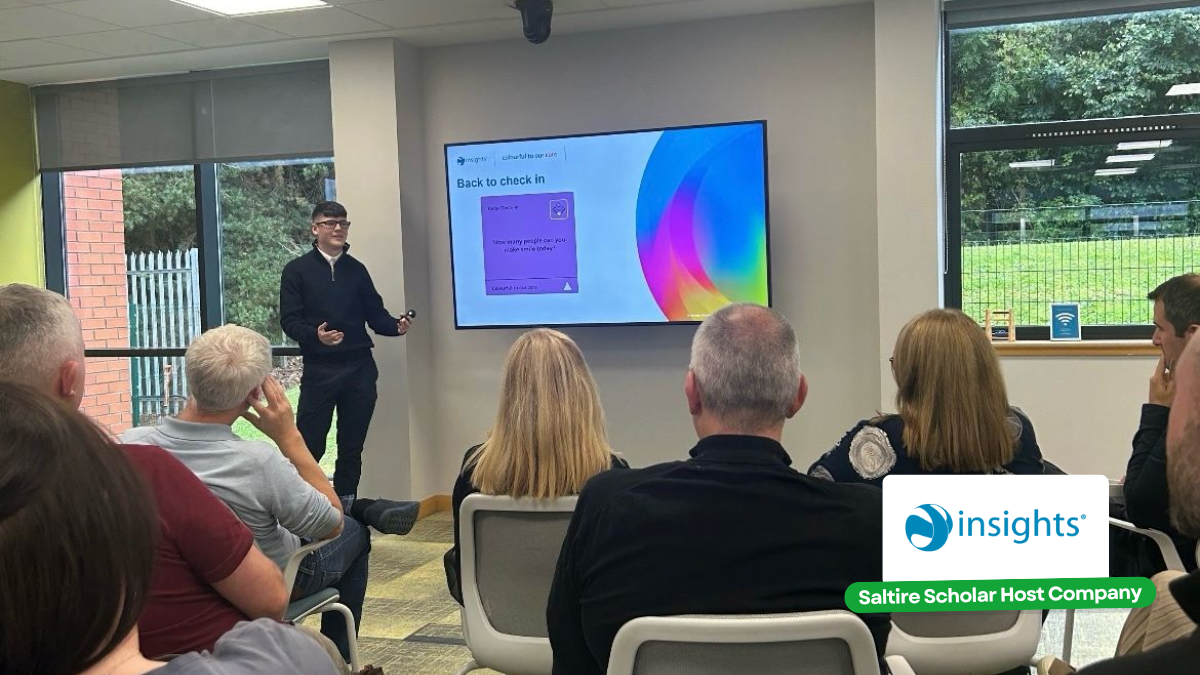
Insights, a global people development company, hosted a Saltire Scholar Sandy - an Accounting and Finance student from the University of Strathclyde, as a Finance Intern to support their finance team with international tax compliance.
Over his internship, Sandy conducted a research project on global taxes and built a comprehensive Global Withholding Tax Guide covering 103 countries, providing clarity on international tax requirements and helping the company optimise tax planning and identify cost-saving opportunities. He also created a Global Tax Compliance Tracker to improve oversight across multiple legal entities.
The output provided strategic intelligence that informed decision-making, while the structured nature of research work allowed for clear supervision and measurable progress.
Cleaning datasets, building dashboards, finding patterns in customer behaviour, and auditing information quality represent valuable work that often lacks internal resource.
Hamilton Ross Group faced exactly this challenge - while the business had access to valuable operational and financial information, reporting remained largely retrospective and manually managed. Key insights were reviewed monthly, creating a bottleneck at senior level.

The company hosted University of Strathclyde student Daayum as a Data Analyst for 10 weeks to tackle the problem. Daayum migrated existing data into interactive Power BI dashboards, creating real-time visibility of key financial and operational metrics. The reporting cadence moved from monthly retrospective reports to live, near-real-time insight accessible across management teams.
As Group Operations Director Jamie Gardiner noted: "We've gone from reviewing key metrics once a month to having live data available hourly if we want it."
Data projects suit interns because they combine technical skills learned in education with business problems that need solving. The work produces tangible outputs - visualisations, reports, cleaned databases - that teams can immediately use.
Documenting how operations actually work versus how people assume they work, identifying bottlenecks, and creating standard operating procedures delivers significant value despite being unglamorous work.
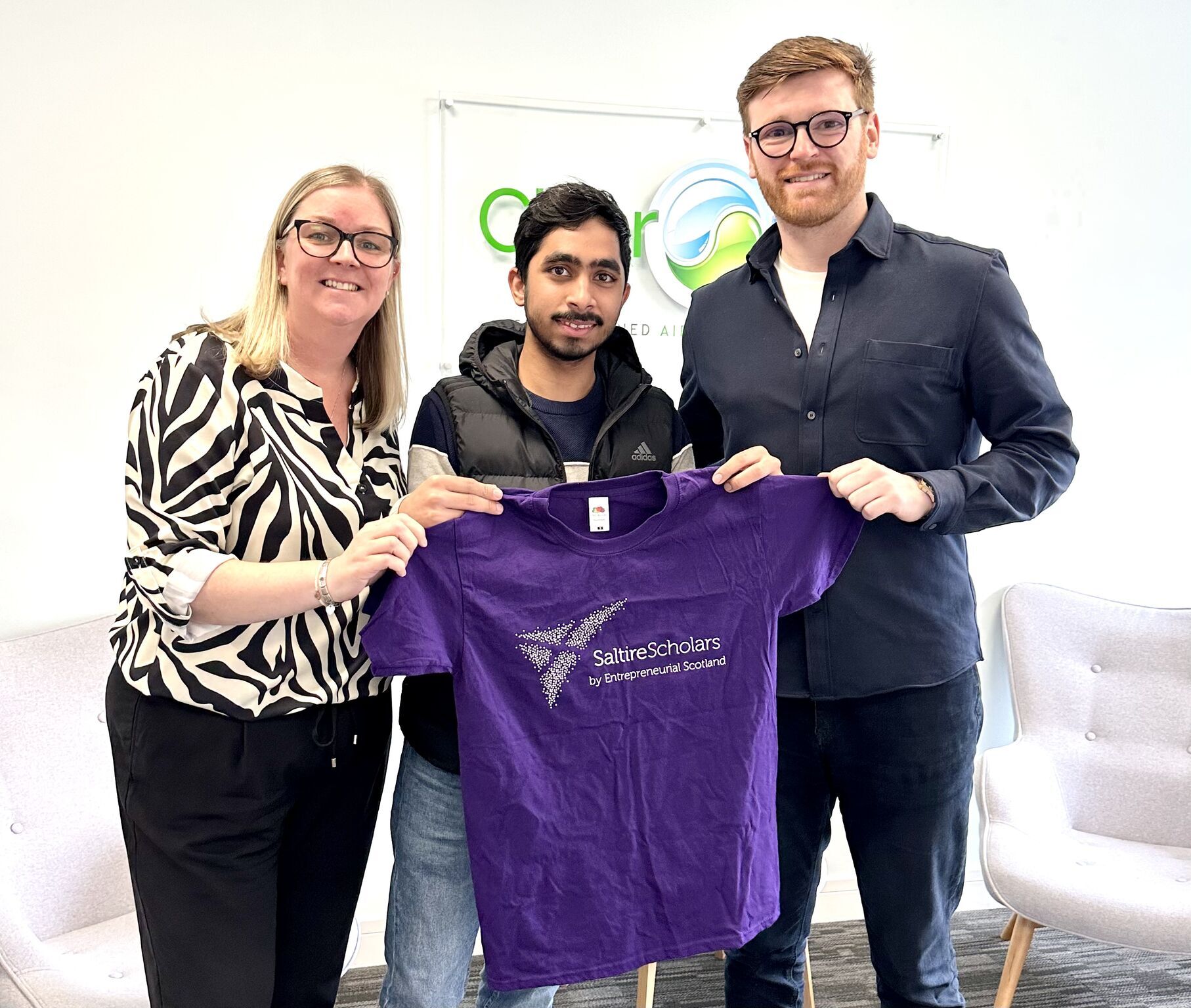
Cleartech Group hosted Saltire Scholar Ibrahim to support their transition to a fully integrated digital CRM system. Over his internship, Ibrahim designed and implemented CRM workflows using HubSpot, automated complex data extraction tasks using Python and Microsoft VBA, and created workflow automations using Microsoft Power Automate. He worked closely with external partners to align the CRM structure with business capabilities, clean and migrate critical business data, and build scripts that streamlined operations across departments.
The project modernised internal operations and created efficiencies that would compound over time.
Process work rarely gets prioritised because it's not urgent, but it creates efficiency gains that compound over time. Interns bring fresh perspectives to established workflows, often spotting inefficiencies that experienced staff no longer notice.
Technical projects that require current skills in software development, systems design, or engineering analysis suit intern capabilities particularly well.
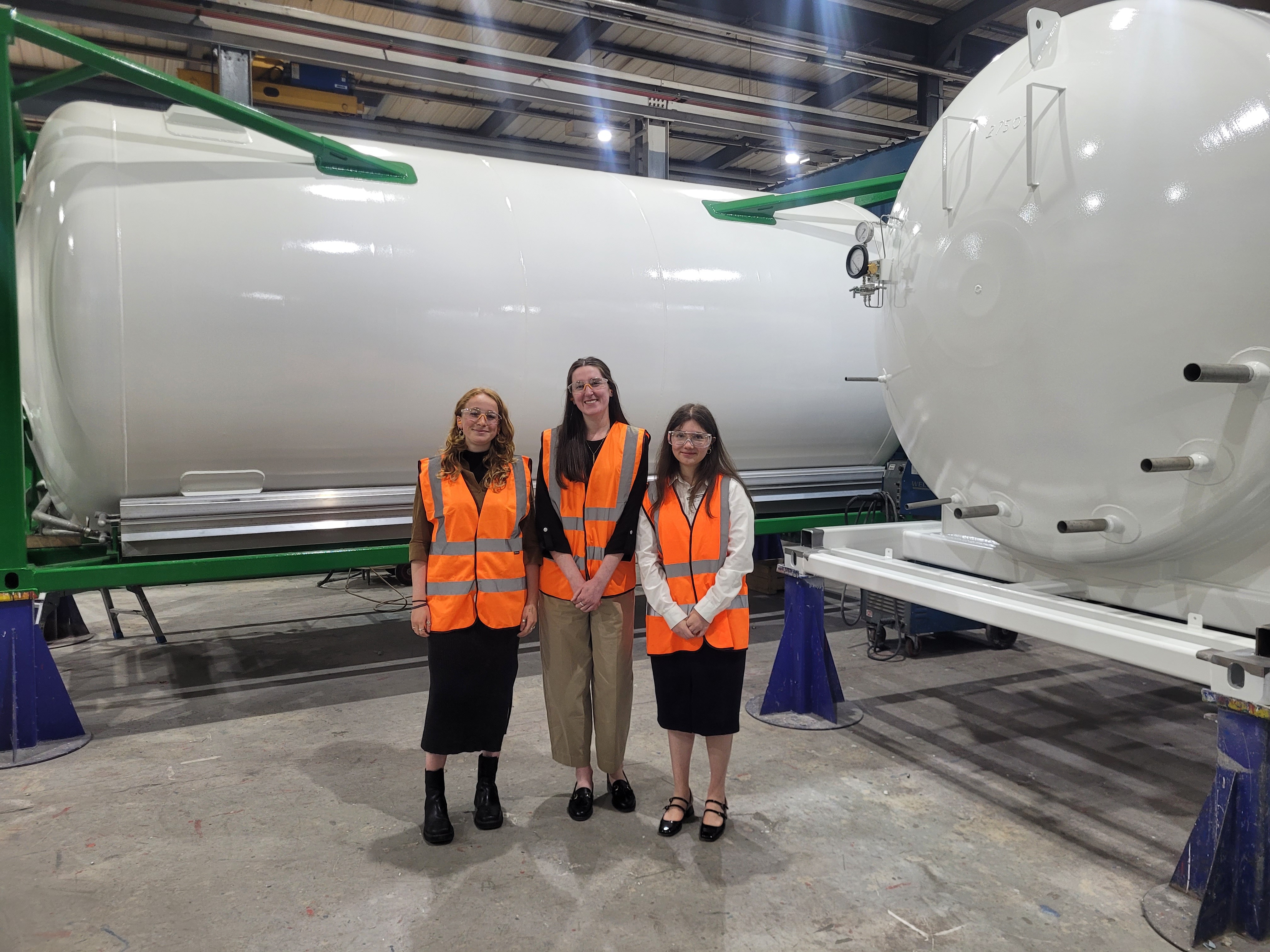
Wessington Cryogenics hosted engineering interns Chloe and Karolina who developed a mobile application that transformed the company's Engineering Change Order process. The app reduced information gathering time from one week to five seconds - a dramatic efficiency gain that directly impacted operational capacity.
Engineering projects often involve solving specific technical challenges, developing tools or prototypes, or improving existing systems. Interns bring recently acquired technical knowledge and familiarity with current development tools, making them effective resources for time-bound technical work.
Research projects in life sciences, pharmaceuticals, and biotechnology represent another area where interns contribute meaningfully. These projects might involve laboratory work, literature reviews, data analysis, or supporting clinical research.
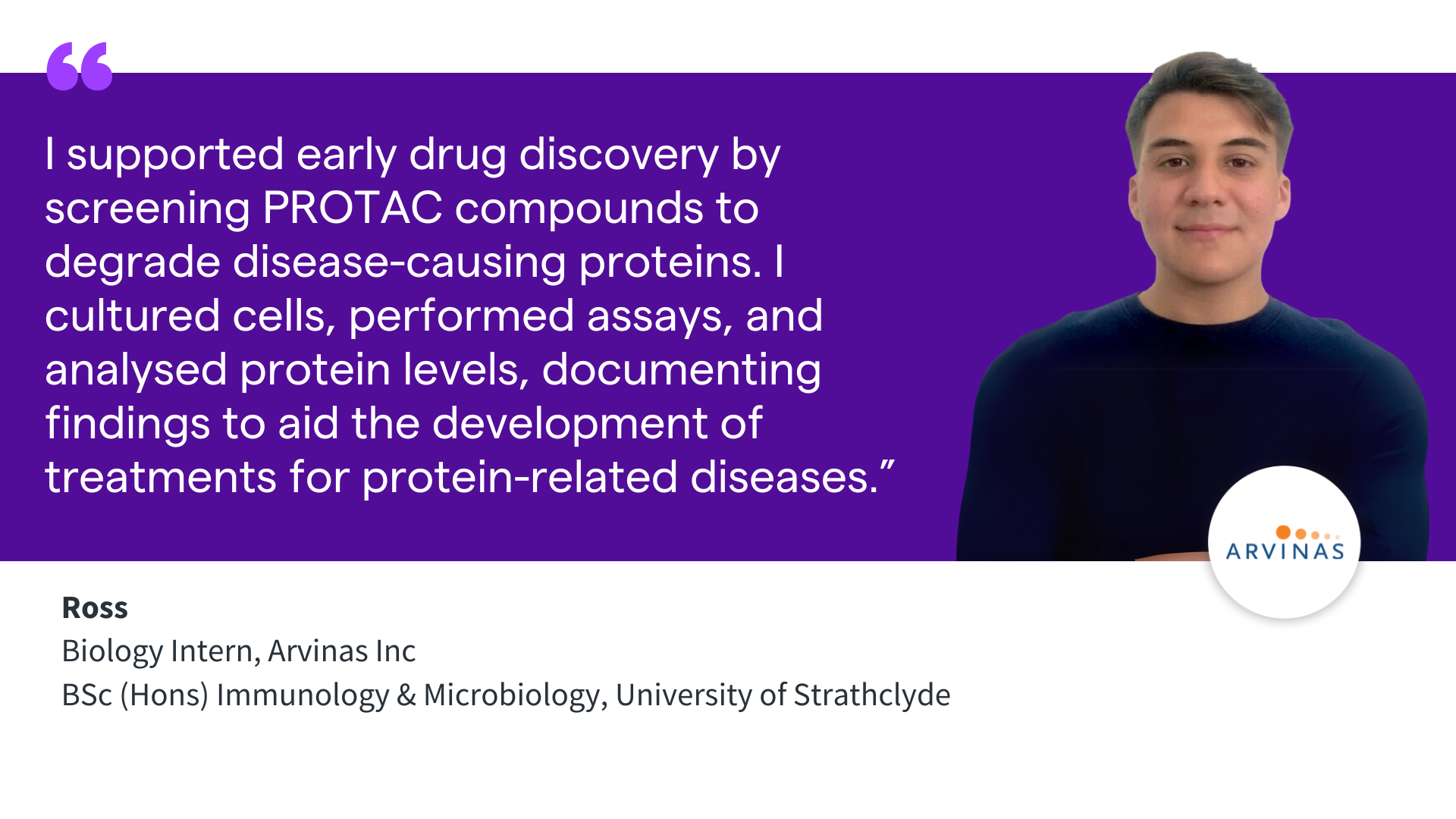
Saltire Scholar Ross joined Arvinas Inc as a Biology Intern, advancing drug discovery through cell culture, treatment protocols, and protein analysis. His work supported the development of treatments targeting disease-related proteins.
R&D internships allow companies to progress research initiatives while giving interns exposure to cutting-edge work in their field. The structured nature of research protocols and clear experimental objectives make these placements manageable with appropriate supervision.
Some internships focus on exploring new opportunities, developing prototypes, or testing market viability for new offerings.
Aqualution Systems hosted Marketing Intern Katie who strategised and launched a new skincare brand during her placement - moving from concept to market launch.
Similarly, Donaldson Group hosted Euan Gibson Smith to research virtual reality applications. His internship project led to the development of a groundbreaking 3D visualisation tool and ultimately to founding Spec3D, a new business.
These projects suit interns who combine creativity with commercial awareness, and they often appeal to organisations looking to explore new directions without diverting core team focus.
Finance teams often face capacity constraints during peak periods or system implementations—times when accuracy matters but workload surges. Finance internships can provide tactical support for transactional work, financial system transitions, or process documentation that frees qualified accountants to focus on strategic analysis.
Rabbie's Tours, a Scottish tour provider, hosted University of Glasgow Student McKenzie as a Finance Intern during their peak season. McKenzie managed day-to-day transactional responsibilities while supporting the implementation of a new finance system. Her work ensured smooth processing during the busiest period of the year while contributing to system accuracy and data migration—work that would have stretched the permanent finance team beyond capacity during critical trading months.
Finance internships suit students studying accounting, finance, or business who bring current knowledge of software tools, attention to detail, and enthusiasm to apply classroom theory to real business operations. These placements often coincide with busy periods (year-end, tax season, system changes) where additional resource makes the difference between managing well and being overwhelmed.
Content calendar development, channel audits, performance reporting, user testing, and campaign optimisation all represent valuable marketing work that benefits from dedicated focus. Marketing interns can contribute to strategic initiatives when projects are properly scoped and they work alongside experienced team members who provide context and direction.

The Herald & Times hosted Angelita as a Subscriptions and Marketing Intern, where she developed engagement and retention strategies across their digital properties. Her work included optimising subscription campaigns, editing landing pages to improve performance, and enhancing user experience across nine newspaper titles. The results were measurable - driving over one million hits through targeted improvements.
Marketing internships work well when interns own defined elements within larger campaigns, whether that's audience research, content performance analysis, subscription funnel optimisation, or channel-specific execution. The key is clear parameters around what decisions they can make independently and when to involve senior marketers.
These work types share common characteristics: they're projects teams know need completing but can't justify prioritising. They exist in the gap between urgent and important - strategically valuable but operationally invisible. Structured internships move this work from the perpetual backlog to completed status.
The difference between internships that deliver and those that waste time comes down to design. Four elements consistently separate successful placements from failed ones:
Someone needs to actually define what the intern will work on and document it before the placement begins. This isn't a wish list of random tasks - it's a focused project brief that outlines the work, explains why it matters, and describes what success looks like. One page is usually sufficient. Clear scope prevents the common pattern where interns arrive and no one's quite sure what they should be doing. When boundaries and objectives are defined upfront, both the intern and supervising team have a shared understanding of priorities from day one.
The intern needs to work towards something they can complete and point to - a report, a process document, a tested prototype, a campaign calendar. Something real. Without defined endpoints, work tends to drift and expand until it's unclear what the intern is actually achieving. Tangible deliverables create focus and allow for measurable progress. They also give the intern ownership of outcomes rather than just participation in activities, which increases both engagement and accountability.
Supervision doesn't mean daily hand-holding, but it does mean someone is genuinely responsible. This requires a named manager, regular check-ins (even just 20-30 minutes weekly), a clear route for questions, and access to the information the intern needs. The person nominated needs actual capacity to commit this time - placements collapse when the nominal supervisor is too senior or too busy to properly engage. Effective supervision means being available when needed, providing context that the intern wouldn't otherwise have, and keeping the work aligned with organisational goals.
Internship supervision also provides a valuable development opportunity for emerging managers. The time-bound nature and clear project parameters make intern management an effective training ground for staff stepping into line management for the first time.
Ad-hoc arrangements rarely deliver value. The intern needs something resembling an actual role, with a project that belongs to them, a timeline that's realistic, and a review process. This doesn't need to be complicated - just designed rather than improvised. Structural integrity means thinking through how the internship fits into the team's work, what resources the intern will need access to, and how progress will be reviewed. It's the difference between a placement that feels purposeful and one that feels like an afterthought.
Get these four elements right, and you create the conditions for value. Miss them, and you get the frustrated placements people complain about.
Organisations getting value from their internship programmes aren't treating them as cheap labour or goodwill exercises. They're identifying real work, scoping it properly, and providing enough support to make success plausible.
That's not a massive undertaking, but it does require some upfront thought. What work matters but never gets done? Who could supervise? What would meaningful outputs look like? How much time can realistically be committed?
If those questions can be answered sensibly, an internship placement might be a practical way to resource work that otherwise won't happen. If the honest answer is "there isn't capacity to do this properly," then better to acknowledge that upfront.
Internship programmes aren't a silver bullet. They're a specific tool for a specific situation: time-bound project work that's difficult to resource through normal channels, with someone willing to supervise and a clear view of what success looks like.
The challenge for any organisation is knowing which situation they're actually in.

For organisations looking to host an intern through a structured, supported programme, Entrepreneurial Scotland's Saltire Scholars Programme offers a proven framework. The programme matches ambitious early-career talent (penultimate and final year university students in Scotland) with businesses across sectors, providing a structured approach to internship placements that addresses many of the challenges outlined above.
Saltire Scholars placements are designed around meaningful project work, with clear expectations, defined outcomes, and built-in support structures. The programme helps employers scope appropriate projects, provides guidance on supervision, and ensures both the organisation and the intern have what they need to make the placement successful.
For employers who recognise the value interns can add but want support in creating the right conditions, the Saltire Scholars Programme offers a practical way to access early-career talent while minimising the common pitfalls of ad-hoc internship arrangements.

Express your interest in hosting a Saltire Scholar in your business.

Host a Saltire Scholar Intern through our structured summer internship programme for employers. Access high-potential undergraduate talent, support meaningful projects and build a sustainable graduate recruitment pathway.